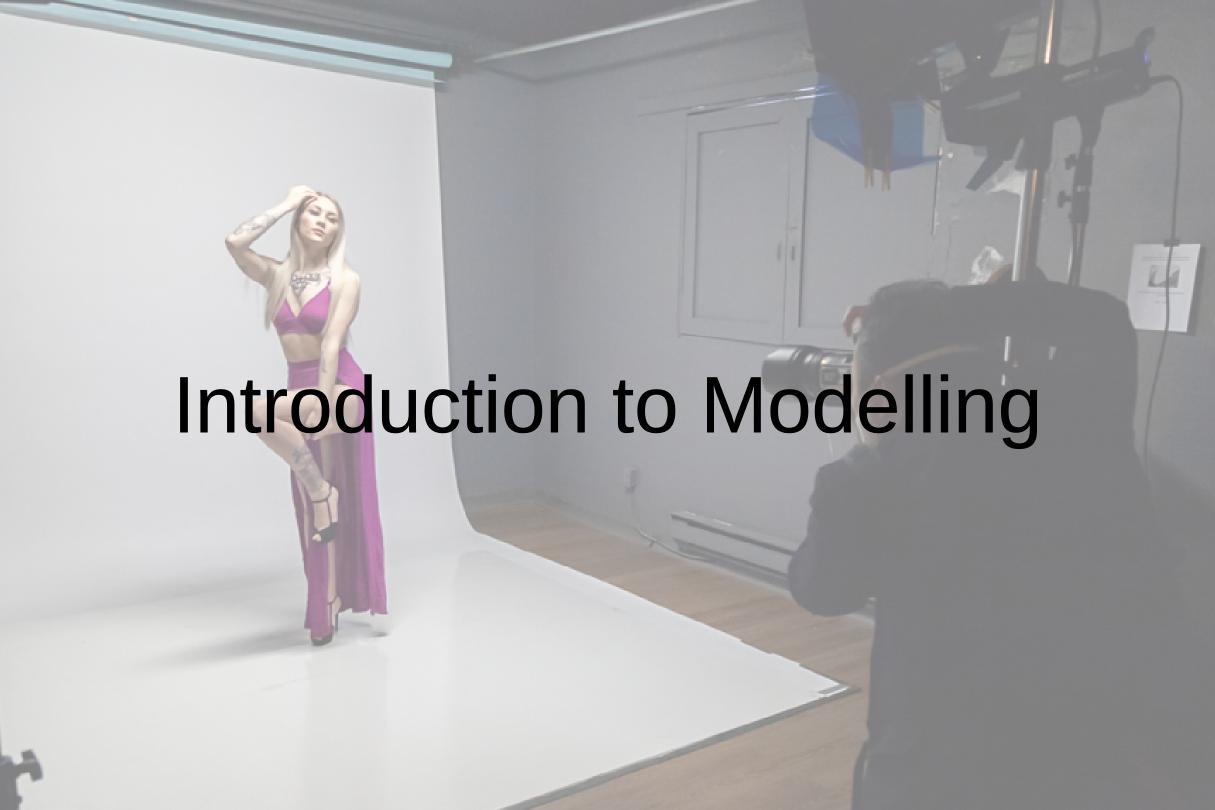
So you want to be a photography model? Congratulations, and welcome to what can be a fun and challenging activity.
The purpose of this post is to introduce the prospective new model to navigating the world of modelling in the Ottawa photographic community. This guide has been developed in consultation with respected and experience models and model photographers in Ottawa Model Photography community. This region is possibly one of the most dynamic and supportive model photography communities of any region so you are already starting at an advantage.
For purposes of this post, we are going to assume that you are a prospective model following a career path that will include being paid for modelling. Even if you are only in it for fun, you can still benefit from the information contained in this guide. This guide does not cover safety: that is an important topic that deserves its own guide.
Why do you want to model?

Many people choose to pursue modelling for different reasons. Whatever they may be for you, it is best to clarify them for yourself so that you can plan your goals.
What do you want to achieve?
What are you willing to do?
What aren’t you willing to do?
How much time, energy and money are you willing and able to devote to this?
Career Path in a Nutshell
The typical model career path looks something like this
- develop your basic, or starter, portfolio by doing TF (“Trade For”, meaning you model in exchange for rights to images of you) work with a mix of new and established photographers
- Leverage that portfolio to charge for modelling within a relatively narrow range of styles.
- Do selective TF photoshoots that enhance your portfolio, expand your range of skills, and to maintain your visibility within the model photography community.
- Leverage your improved portfolio to charge more and/or expand the styles of shoots for which you can charge.
- Rinse and repeat
In the next few sections of this guide we’ll look at each of these steps in the career path in a bit more detail.
Growing a Started Portfolio
As nice as it would be to immediately start out charging photographers for your time, this path will limit you. Experienced photographers will, if you are honest with them, turn you down or, if you claim skills you don’t have, will pass on the word to other photographers to avoid working with you (yes, we talk to each other). Inexperienced photographers will be frustrated and will leave a trail of bad reviews. What you will be left with are the pseudo-photographers (what we in the industry call GWCs or Guys With Cameras) whose interest in you will depend on how little they can get you to wear and how much they can get you to do to “further your career”. Yes, the quotes are intentional imply exactly what you are thinking. Finally, you will garner the resentment of the models who are working their way along the path who will see you are “jumping the queue”.
The more viable path is to start with TF shoots to build a starter portfolio, while at the same time developing your core skills: a set of poses, knowledge about your strengths and weakness, building contacts within the model photography community, and a basic understanding of how to work in a variety of photoshoot settings. A starter portfolio can be built in two ways: paying to work with professional photographers, and doing TF shoots with experienced photographers. You can also work with new photographers, but you will both be attempting to figure out things on your own that can be learned from a photographer with at least some experience. Let’s take a look at the benefits of each of these approaches.
Paying a professional: A professional photographer is mostly likely to produce high-quality images for your portfolio, all of which you will own outright as part of the contract. They will typically provide makeup (MUA, or Make-up Artist) and hair (HA, or Hair Artist) services as part of the package. They will also teach you basic poses, point out your most- and least-marketable features, and often provide suggestions on how to compensate for those less-marketable features. You will, though, likely pay several hundred dollars for this service. This is the equivalent of paying to take a course.
TF with experienced photographers: Many models don’t have the resources to build a complete starter portfolio by paying a professional. As well, it is beneficial to practice what you learned in an environment where you are not being charged by the hour. This is where TF photoshoots come in. You enter into a contractual relationship with a photographer who has demonstrated some skill in the genre you want such that you both own the resulting images. The photographer will assist you in learning poses through a combination of practice and trial-and-error, will provide you with experience in either studio or location photoshoots, and will work through your own experiments to learn your strengths and weaknesses. Both you and the photographer than walk away with images for your portfolios and oftentimes will also promote each other. Makeup and hair services should not be expected but it may be possible to negotiate something. This is the equivalent of being an unpaid intern.
Etiquette regarding MUA/HA services – Professional makeup and hair WILL turn a good shoot into a great shoot. That being said, MUA/HA services are rarely available on a TF basis so someone often has to pay, often between $50 and $150 per look depending on the shoot. Be up-front about wanting, or needing, these services for a shoot. The rule is that the person requesting the service pay for the service. Also, if the experience of working with the photographer is not as important to you then you can request that the photographer pay for these services as part of the contract, but be prepared to walk away from the shoot if they say no. It is possible that the concept may not be important enough to them to pay for these services or they may have limited resources. On the other hand, if you really want to work with this photographer on this concept, so are not prepared to walk away, then you will have to pay for these services yourself. Be aware that, for the photographer, adding MUA/HA services typically adds as much as an hour or more to the shoot time, which also means they are often paying studio time on top of the MUA/HA cost. This can mean that MUA or HA is effectively adding as much as $150 to $200 to the cost of the shoot.
TF with inexperienced photographers: If you really enjoy modelling and just want an opportunity to hone your skills without depending on the photographer, then you can also work with inexperienced photographers on a TF basis. These photographers are more often willing to pay for MUA/HA services to even the balance and to maximize the chance to creating great images. Don’t expect to get portfolio-quality images, but if they have any inherent talent then you might luck into some excellent shots for your portfolio. On the other hand, you do gain an opportunity to practice and make mistakes without having to worry too much about whether the images will be sufficient for your portfolio. Expect to do a lot of teaching and figuring out your own poses. This is the equivalent of doing practice and homework.
GWCs versus inexperienced photographers – The term GWC is used to refer to someone, typically male, who has little-to-no photographic skill and no interest in learning. It is the second part that separates the GWC from the inexperienced photographer: the latter is trying to improve and their work will often demonstrate this. The inexperienced photographer might refer to themselves jokingly as a GWC, but this is more a sign of their lack of confidence than that they are a potential predator. The GWC more often comes across as confident but it will quickly become obvious that they are less interested in the final images and more interested in getting as much of your clothing off, and themselves as close to you, as possible. Inexperienced photographers may be shy or uncomfortable, particularly if you are doing nudes or lingerie, but will typically “geek out” on their photographic equipment and will want your feedback on the images they are producing. For your own safety, ALWAYS bring an escort to a photoshoot with any photographer with whom you’ve not established a trusted and professional relationship.
Leveraging your Starter Portfolio
So what does a starter portfolio look like, and when can you start using it to find paying clients? Your starter portfolio is, essentially, your resume as a model. It demonstrates the style of shoots you have experience doing and shows your versatility as a model. These images are what tell prospective clients (photographers, and possibly agencies if you go that route) that you are going to be worth the money they pay you. Having a starter portfolio also implies you already have the following:
- a basic set of go-to poses that you know work for you.
- knowledge of what shots are most complementary for you.
- knowledge or what shots the photographer should avoid, or at least use with care.
- knowledge of the genres covered by the portfolio.
- basic knowledge of how to work in a photographic setting (typically a mix of studio and location).
- knowledge of typical modelling rates for the styles in which you have experience.
Your starter portfolio is what you use when, assuming you are marketing yourself effectively, photographers come to you asking to do a photoshoot. Oftentimes they will request that you do the shoot TF, but at this point you can turn down shoots that will not add value to your portfolio. Politely decline the request to work TF and state your rates. Many will simply go to other models but some will pay your per-hour rate if they are sufficiently impressed by your portfolio.
You can also use your starter portfolio to apply for addition to modelling queues. The RA Centre, Ottawa Meetup, and many other groups maintain lists of models that can be hired. You can apply to be included on these lists by providing your starter portfolio and completing an interview process to verify that you have the skills that you claim. A similar process occurs for modelling agencies.
Selective TF to Enhance your Portfolio
Once you’ve built your portfolio and begun marketing your skills, you need to both push yourself to the next level and keep yourself visible. TF photoshoots will help with both of these, but now you get to be a bit more choosy. You will be able to approach more experienced photographers, as well as other artists, to engage in more challenging work that is likely to draw attention to your skills. You will also need to maintain a minimum level of exposure by continually release new work. Much of this will come from selective TF photoshoots.
You must be logged in to post a comment.